


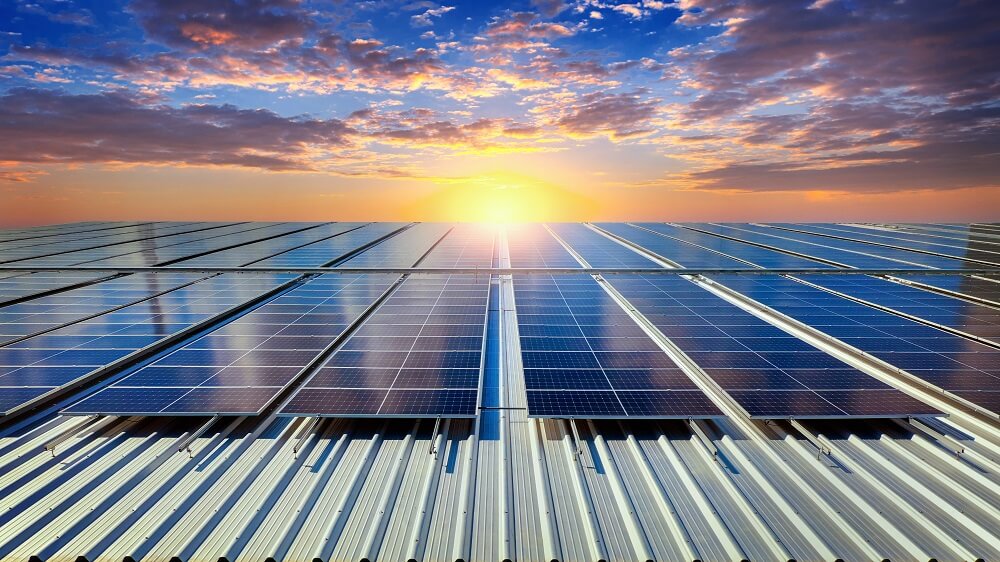
Solar energy has become one of the most popular ways to generate clean electricity for homes and businesses. But not all solar panels are the same. If you’re researching solar power, you’ll quickly discover that there are different types of solar panels, each with its own technology, efficiency level, cost range, and ideal use case.
This guide explains the main types of solar panels, how each one works, and how to decide which option may be best for your needs.
How Do Solar Panels Work? (Quick Overview)
All solar panels work on the same basic principle: the photovoltaic (PV) effect.
- Solar panels are made of solar cells
- When sunlight hits these cells, it excites electrons
- This creates an electric current
- The electricity is converted into usable power for homes or businesses
The differences between panel types lie in how the solar cells are made and structured, which affects efficiency, appearance, and cost.
Why There Are Different Types of Solar Panels
Solar panels are designed for different priorities, such as:
- Maximum efficiency
- Lower upfront cost
- Flexibility and lightweight design
- Limited roof space
- Commercial vs residential use
Understanding these differences helps you choose a system that fits your goals rather than overpaying or underperforming.
Monocrystalline Solar Panels
Monocrystalline panels are one of the most widely used solar panel types for residential installations.
How monocrystalline panels work
- Made from a single, pure silicon crystal
- Silicon is formed into cylindrical ingots and sliced into thin wafers
- Each cell allows electrons to move more freely due to crystal uniformity
This structure improves efficiency because electrons encounter fewer barriers as they move through the cell.
Key characteristics
- Dark black appearance
- High efficiency levels
- Long lifespan
- Strong performance in limited space
Best use cases
- Homes with limited roof space
- Installations prioritizing maximum output
- Long-term residential systems
Monocrystalline panels typically cost more upfront, but they often deliver greater energy output per square meter.
Polycrystalline Solar Panels
Polycrystalline panels were once the most common option due to lower manufacturing costs.
How polycrystalline panels work
- Made from multiple silicon fragments melted together
- The mixed crystal structure creates grain boundaries
- Electron movement is slightly less efficient than in monocrystalline cells
Despite lower efficiency, they still convert sunlight into electricity effectively.
Key characteristics
- Blue, speckled appearance
- Lower manufacturing cost
- Slightly lower efficiency
- Reliable performance in sunny conditions
Best use cases
- Homes with ample roof space
- Budget-conscious installations
- Regions with strong sunlight
Polycrystalline panels are often chosen when cost savings matter more than maximizing efficiency.
Thin-Film Solar Panels
Thin-film panels are fundamentally different from crystalline silicon panels.
How thin-film panels work
- A very thin photovoltaic layer is deposited onto glass, metal, or plastic
- Materials absorb sunlight and generate electricity across the surface
- The thin structure allows flexibility and lightweight designs
Thin-film technology relies on broad surface exposure rather than cell thickness.
Common thin-film materials
- Amorphous silicon (a-Si)
- Cadmium telluride (CdTe)
- Copper indium gallium selenide (CIGS)
Key characteristics
- Lightweight and flexible
- Lower efficiency
- Easier installation on certain surfaces
- Performs better in high temperatures
Best use cases
- Commercial buildings
- Large-scale installations
- Irregular or curved surfaces
Thin-film panels are less common for residential rooftops but remain valuable in specific applications.
Amorphous Silicon (a-Si) Solar Panels
Amorphous silicon is a subtype of thin-film solar technology.
How amorphous silicon panels work
- Uses non-crystalline silicon atoms
- Electrons move through a less structured material
- Panels rely on large surface areas rather than cell efficiency
Key characteristics
- Very flexible
- Low efficiency
- Lower manufacturing cost
- Good performance in low-light conditions
Best use cases
- Small-scale electronics
- Portable solar devices
- Low-power applications
While not ideal for powering homes, amorphous silicon panels are useful in niche scenarios.
Cadmium Telluride (CdTe) Solar Panels
Cadmium telluride panels are another thin-film option commonly used in utility-scale projects.
How CdTe panels work
- Cadmium telluride absorbs sunlight efficiently
- Thin layers convert light into electrical current
- Lower material usage reduces manufacturing costs
Key characteristics
- Competitive cost per watt
- Good heat tolerance
- Lower efficiency than crystalline panels
Best use cases
- Large solar farms
- Commercial-scale projects
- Ground-mounted systems
Environmental considerations around cadmium disposal are an important factor with this technology.
CIGS Solar Panels (Copper Indium Gallium Selenide)
CIGS panels represent one of the more advanced thin-film technologies.
How CIGS panels work
- Use a compound semiconductor layer
- High light absorption efficiency
- Flexible substrate options
Key characteristics
- Better efficiency than most thin-film panels
- Flexible and lightweight
- Higher manufacturing complexity
Best use cases
- Specialty installations
- Portable solar products
- Certain commercial applications
CIGS technology is promising but less widely available than silicon-based panels.
Bifacial Solar Panels
Bifacial panels are a newer variation of crystalline solar technology.
How bifacial panels work
- Capture sunlight from both front and back sides
- Reflected light from surfaces below boosts output
- Typically use monocrystalline cells
Key characteristics
- Higher potential energy yield
- Glass-on-glass construction
- Requires reflective installation surfaces
Best use cases
- Ground-mounted systems
- Commercial rooftops
- Locations with reflective ground surfaces
Bifacial panels can produce more electricity under the right conditions.
Efficiency Differences Between Solar Panel Types
Efficiency measures how much sunlight is converted into usable electricity.
General efficiency trends
- Monocrystalline: Highest efficiency
- Polycrystalline: Moderate efficiency
- Thin-film: Lowest efficiency
Higher efficiency panels produce more power in smaller spaces, which can reduce installation footprint.
Cost Comparison Between Solar Panel Types
Costs vary depending on materials, manufacturing, and availability.
Typical cost trends
- Monocrystalline: Higher upfront cost
- Polycrystalline: Mid-range cost
- Thin-film: Lower cost per panel, higher space requirement
Total system cost depends on installation complexity, not just panel price.
Lifespan and Durability of Solar Panels
Most modern solar panels are built for long-term use.
What to expect
- Lifespans of 20–25 years or more
- Gradual efficiency decline over time
- Strong weather resistance
Crystalline panels generally offer the longest warranties and proven durability.
Which Type of Solar Panel Is Best for Homes?
For most homeowners:
- Monocrystalline panels are the top choice due to efficiency and longevity
- Polycrystalline panels offer a more affordable alternative
- Thin-film panels are typically less suitable for standard rooftops
Your roof size, budget, and energy goals should guide the decision.
Environmental Considerations
Solar panels reduce reliance on fossil fuels, but manufacturing still has an environmental footprint.
Important factors
- Energy used during production
- Material sourcing
- End-of-life recycling
Silicon-based panels generally have strong recycling pathways.
Common Misconceptions About Solar Panel Types
- Higher efficiency does not always mean lower cost
- Thin-film panels are not “bad”—they are just specialized
- Appearance does not determine performance
Choosing the right type is about fit, not hype.
How to Choose the Right Solar Panel Type
Before selecting a panel, consider:
- Available roof space
- Budget constraints
- Local climate
- Long-term energy goals
- Installation environment
A balanced approach delivers the best results.
Future Developments in Solar Panel Technology
Solar technology continues to evolve.
Emerging trends
- Improved efficiency materials
- Better energy storage integration
- More sustainable manufacturing processes
These innovations may expand options in the coming years.
Final Thoughts
Understanding the types of solar panels and how each one works helps you make smarter decisions when exploring solar energy. While all panels convert sunlight into electricity, their materials, structure, and performance vary widely.
For most residential users, monocrystalline and polycrystalline panels remain the most practical choices. Thin-film and advanced technologies serve important roles in commercial and specialized applications. By matching panel type to your space, budget, and energy goals, you can build a solar system that delivers reliable value for years to come.
Disclaimer: This content is for educational purposes only. Solar panel performance and suitability depend on system design, location, and professional installation.