


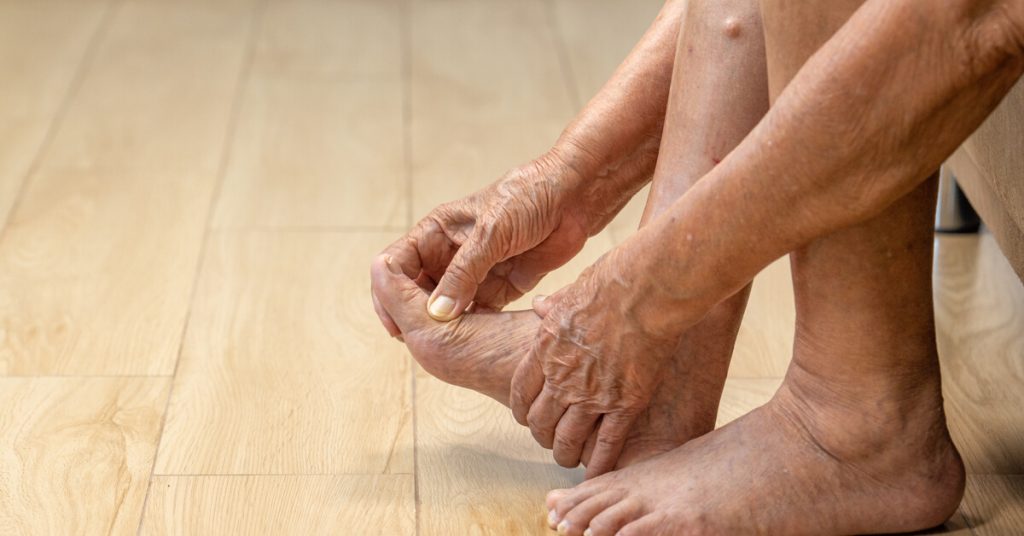
Leg swelling is a common concern among older adults. While occasional swelling after long periods of sitting or standing may be harmless, persistent or sudden swelling can signal an underlying health issue that requires attention. Understanding why leg swelling occurs in older adults, what symptoms to watch for, and how it is commonly managed can help seniors and caregivers respond appropriately and maintain overall well-being.
This article explains leg swelling in older adults in a clear, educational way, without assuming a diagnosis.
What Is Leg Swelling?
Leg swelling—also known as edema—occurs when excess fluid builds up in the tissues of the legs, ankles, or feet. In older adults, this fluid accumulation can be influenced by aging-related changes, chronic medical conditions, medications, or lifestyle factors.
Swelling may affect:
- One leg or both legs
- Ankles and feet
- Calves or thighs
The severity can range from mild puffiness to noticeable enlargement and discomfort.
Why Leg Swelling Is More Common in Older Adults
As people age, several natural changes increase the likelihood of fluid retention:
- Reduced circulation efficiency
- Weakened vein valves
- Decreased kidney or heart function
- Less physical activity
- Increased use of certain medications
These factors can make it harder for the body to move fluid back toward the heart, leading to swelling in the lower limbs.
Common Causes of Leg Swelling in Older Adults
Leg swelling can have many causes. Some are relatively mild, while others may require prompt medical evaluation.
Poor Circulation and Venous Insufficiency
Chronic venous insufficiency occurs when veins in the legs struggle to return blood to the heart.
Common signs
- Swelling that worsens during the day
- Heaviness or aching in the legs
- Skin discoloration around the ankles
This condition is one of the most frequent causes of leg swelling in seniors.
Heart-Related Conditions
Heart conditions can reduce the heart’s ability to pump blood efficiently.
Why this causes swelling
- Blood backs up in the veins
- Fluid leaks into surrounding tissues
Leg swelling related to heart issues often affects both legs and may be accompanied by shortness of breath or fatigue.
Kidney Function Changes
The kidneys help regulate fluid balance in the body. When kidney function declines, excess fluid may not be removed efficiently.
Possible signs
- Swelling in legs and ankles
- Changes in urination
- Fatigue
Kidney-related swelling usually develops gradually.
Medications
Many older adults take multiple medications, some of which can cause fluid retention.
Common medication types associated with swelling
- Blood pressure medications
- Anti-inflammatory drugs
- Certain diabetes medications
Never stop or change medications without consulting a healthcare provider.
Reduced Mobility or Prolonged Sitting
Limited movement can slow circulation.
Examples
- Sitting for long periods
- Bed rest
- Long-distance travel
This type of swelling often improves with movement and leg elevation.
Lymphedema
Lymphedema occurs when the lymphatic system cannot drain fluid properly.
Characteristics
- Persistent swelling
- Skin tightness
- Swelling that may not improve with elevation
Lymphedema often requires specialized management.
Infections or Injuries
Infections, wounds, or injuries can cause localized swelling.
Warning signs
- Redness
- Warmth
- Pain
- Fever
These symptoms may indicate an infection and should be evaluated promptly.
Blood Clots
A blood clot in a deep vein (deep vein thrombosis) can cause sudden swelling, usually in one leg.
Possible symptoms
- Sudden swelling
- Pain or tenderness
- Warmth in the affected leg
This is a medical emergency requiring immediate attention.
Symptoms That May Accompany Leg Swelling
Leg swelling may appear alone or alongside other symptoms, such as:
- Tight or shiny skin
- Difficulty putting on shoes
- Pain or heaviness
- Reduced mobility
- Skin changes or sores
Tracking symptoms helps healthcare providers identify the cause.
When Leg Swelling Should Not Be Ignored
While mild swelling can be harmless, some situations require prompt medical evaluation.
Seek medical care if swelling is
- Sudden or severe
- Present in only one leg
- Accompanied by pain or redness
- Paired with shortness of breath
- Associated with skin breakdown
Early evaluation can prevent complications.
How Leg Swelling Is Typically Evaluated
Healthcare providers may:
- Review medical history
- Examine the legs and feet
- Ask about medications and lifestyle
- Order blood tests or imaging studies
Diagnosis focuses on identifying the underlying cause rather than just treating the swelling.
General Care Tips for Managing Leg Swelling
Management depends on the cause, but the following strategies are commonly recommended for older adults.
Elevate the Legs
Raising the legs above heart level helps fluid return toward the heart.
Tips
- Elevate several times a day
- Use pillows or a footrest
- Avoid dangling legs for long periods
Stay Physically Active
Gentle movement supports circulation.
Senior-friendly activities
- Walking
- Ankle rotations
- Chair exercises
Even light activity can help reduce swelling.
Wear Supportive Footwear
Comfortable shoes with proper support help improve circulation and reduce discomfort.
Use Compression Garments (If Recommended)
Compression stockings can help prevent fluid buildup. Always use compression garments under medical guidance to ensure proper fit and safety.
Monitor Salt Intake
High sodium intake can contribute to fluid retention.
Helpful steps
- Read food labels
- Limit processed foods
- Follow dietary guidance from healthcare providers
Maintain Skin Care
Swollen skin is more vulnerable to injury.
Skin care tips
- Keep skin clean and moisturized
- Check daily for cuts or sores
- Address wounds promptly
Review Medications Regularly
Medication reviews help identify drugs that may contribute to swelling.
Impact of Leg Swelling on Quality of Life
Persistent leg swelling can affect:
- Mobility
- Balance
- Sleep
- Independence
- Emotional well-being
Addressing swelling early helps preserve daily functioning.
How Caregivers Can Help
Caregivers play an important role by:
- Observing changes in swelling
- Encouraging movement
- Assisting with leg elevation
- Supporting medical appointments
Clear communication with healthcare providers improves care outcomes.
Preventing Complications Related to Leg Swelling
Unchecked swelling may lead to:
- Skin breakdown
- Infections
- Reduced mobility
- Increased fall risk
Preventive care is key to avoiding these issues.
Healthy Aging and Circulation
Maintaining circulation supports overall health in older adults.
Helpful habits
- Regular movement
- Balanced nutrition
- Hydration
- Managing chronic conditions
Small daily actions can make a meaningful difference.
Bottom Line
Leg swelling in older adults is common and can result from a wide range of causes—from normal age-related changes to underlying medical conditions. While mild swelling may improve with simple measures like elevation and movement, persistent or sudden swelling should never be ignored.
Understanding possible causes and knowing when to seek medical advice helps seniors and caregivers take proactive steps toward comfort, safety, and better quality of life.
Disclaimer: This article is for educational purposes only and does not substitute professional medical advice. Always consult a healthcare provider for diagnosis and treatment of leg swelling or related symptoms.