


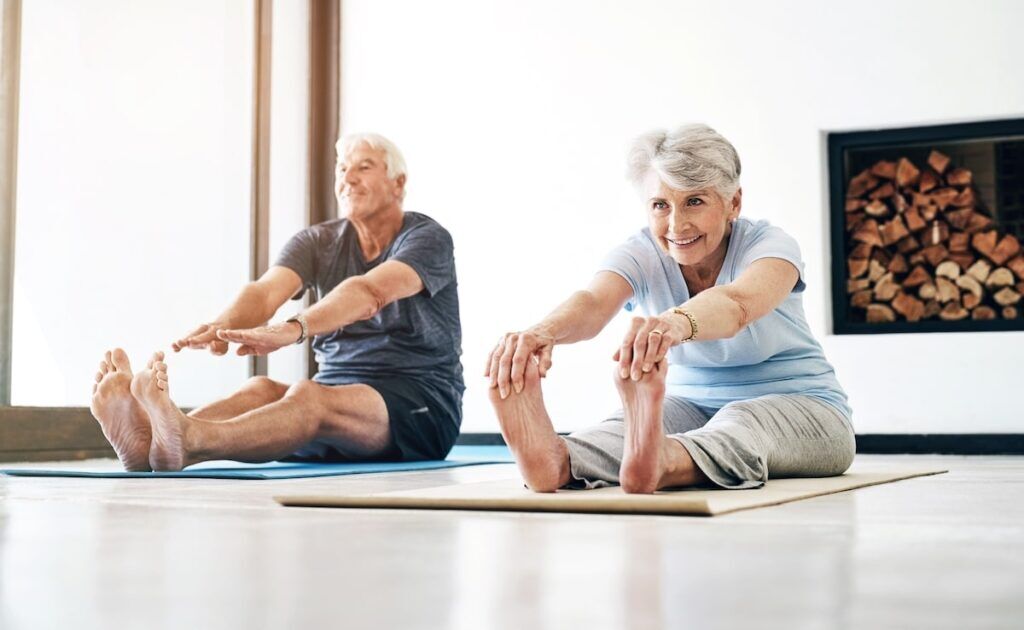
Staying active becomes increasingly important as people age, but it also becomes more challenging. Many older adults may experience reduced mobility, joint stiffness, balance difficulties, or simply feel unsure about which exercises are safe. The good news is that gentle exercises—low-impact, easy-to-follow movements—can help older adults stay healthy, maintain mobility, and enjoy better daily comfort.
Gentle exercises do not require heavy equipment or intense workouts. They focus on slow, controlled movements that support flexibility, strength, and balance. This blog explores the best gentle exercises for older adults, why they matter, and how seniors can safely add them to their routine.
Why Gentle Exercise Matters for Older Adults
As people enter their 60s and beyond, physical activity offers many benefits, such as:
- Supporting joint mobility
- Contributing to steadier balance
- Maintaining muscle strength
- Supporting energy levels
- Helping daily tasks feel easier
- Supporting better sleep routines
- Encouraging positive mood and relaxation
Gentle exercises offer a safe way for seniors to stay active without putting strain on the body.
Best Gentle Exercises for Older Adults
Below are some of the most effective and accessible exercises for seniors. They can be adjusted to individual comfort levels and performed at home or in community groups.
Walking
Walking is one of the easiest ways for older adults to stay active.
Benefits include:
- Supporting overall mobility
- Encouraging a steady heart rhythm
- Helping maintain stability and confidence
- Allowing social engagement when done with friends or groups
Tips for older adults:
- Start with short walks—5 to 10 minutes—and gradually increase time
- Choose comfortable shoes
- Walk on even, safe surfaces
- Bring water for hydration
Even light walking, when done regularly, can contribute to better daily functioning.
Gentle Stretching
Stretching helps reduce stiffness, maintain flexibility, and support comfort when moving.
Simple stretches include:
- Neck rotations
- Shoulder rolls
- Chest opening stretches
- Hamstring stretches
- Ankle circles
How to do them safely:
- Move slowly
- Avoid bouncing
- Only stretch to a comfortable point
- Hold each stretch for 10–20 seconds
Regular stretching can make daily tasks like bending, reaching, or getting out of bed feel easier.
Chair Exercises
Chair exercises are excellent for older adults who prefer extra support or have limited mobility.
Examples include:
- Seated leg lifts
- Seated knee extensions
- Seated marching
- Seated arm circles
- Gentle seated twists
These movements strengthen muscles while preventing strain on the knees or lower back.
Chair exercises are ideal for beginners or anyone recovering flexibility and strength.
Water Aerobics and Swimming
Water-based exercises are highly supportive because water helps reduce pressure on the joints while still providing gentle resistance.
Benefits for older adults:
- Comfortable on stiff joints
- Encourages steady movement without strain
- Helps build strength in a low-impact way
- Supports relaxation and reduces tension
Older adults often find swimming or water classes enjoyable because the movements feel smooth and light.
Tai Chi
Tai Chi is a slow, flowing form of movement that supports balance, focus, and coordination.
Why seniors enjoy Tai Chi:
- Slow, gentle routines
- Helps support stability
- Encourages relaxation
- Often done in groups, creating social connection
Many community centers and senior centers offer beginner-friendly Tai Chi classes.
Yoga for Seniors
Senior-friendly yoga focuses on simple poses, breathing, and gentle stretching.
Benefits include:
- Supporting flexibility
- Encouraging relaxation
- Improving body awareness
- Helping with steady, controlled movements
Popular styles for older adults include chair yoga, restorative yoga, and gentle yoga. These practices avoid intense poses and are adaptable for different mobility levels.
Light Strength Training
Strength training doesn’t require heavy weights. Older adults can use:
- Light dumbbells
- Resistance bands
- Water bottles
- Bodyweight exercises
Gentle strength exercises include:
- Wall push-ups
- Light bicep curls
- Chair squats
- Standing leg lifts
Keeping muscles active supports independence in daily activities such as climbing stairs, standing up, or carrying groceries.
Balance Exercises
Balance exercises can help older adults feel more confident and stable when moving.
Simple balance exercises:
- Standing on one foot while holding a support
- Heel-to-toe walking
- Side steps
- Slow knee lifts
Practicing balance a few minutes a day supports steadier movement and comfort at home or outdoors.
How Older Adults Can Start a Safe Exercise Routine
It’s important for seniors to approach exercise in a way that feels safe, comfortable, and enjoyable.
1. Start Slow
Short sessions—5 to 10 minutes—are enough to begin building a routine.
2. Listen to the Body
If a movement feels uncomfortable, adjust it or try a simpler version.
3. Choose Activities You Enjoy
The more enjoyable the exercise, the more likely it becomes part of a daily habit.
4. Stay Hydrated
Drinking water before and after exercise helps maintain energy and comfort.
5. Use Support When Needed
Chairs, handrails, or walls can help with balance and confidence.
6. Create a Routine
Setting a daily schedule, such as morning stretches or an afternoon walk, helps make exercise consistent.
Sample Gentle Exercise Routine for Seniors
Here’s a sample 20-minute routine older adults can try:
Warm-up (3 minutes)
- Slow marching in place
- Arm swings
- Shoulder rolls
Stretching (5 minutes)
- Neck stretch
- Upper back stretch
- Quad stretch
- Ankle circles
Main Exercises (10 minutes)
- Seated leg lifts (1–2 minutes)
- Wall push-ups (1 minute)
- Standing side steps (2 minutes)
- Chair squats (1 minute)
- Light bicep curls or resistance band pulls (2 minutes)
- Simple balance practice with support (2 minutes)
Cool-down (2 minutes)
- Gentle breathing
- Slow forward fold
- Relaxing shoulder stretch
This routine is adaptable and can be adjusted depending on comfort and mobility.
Additional Tips for Staying Active Later in Life
- Wear supportive shoes
- Focus on posture during exercises
- Keep movements slow and controlled
- Exercise with a friend for motivation
- Use music for enjoyment and pacing
- Include variety to keep the routine interesting
Even small amounts of movement—stretching during TV commercials or taking short walks—can contribute to overall daily activity.
Final Thoughts
Gentle exercises offer an accessible, effective way for older adults to stay active, maintain mobility, and support everyday comfort. From walking and stretching to chair workouts and water aerobics, seniors have many options that fit different needs and lifestyles.
Staying active later in life doesn’t require intense routines or complicated equipment. What matters most is consistency, enjoyment, and choosing movements that feel comfortable and supportive.