


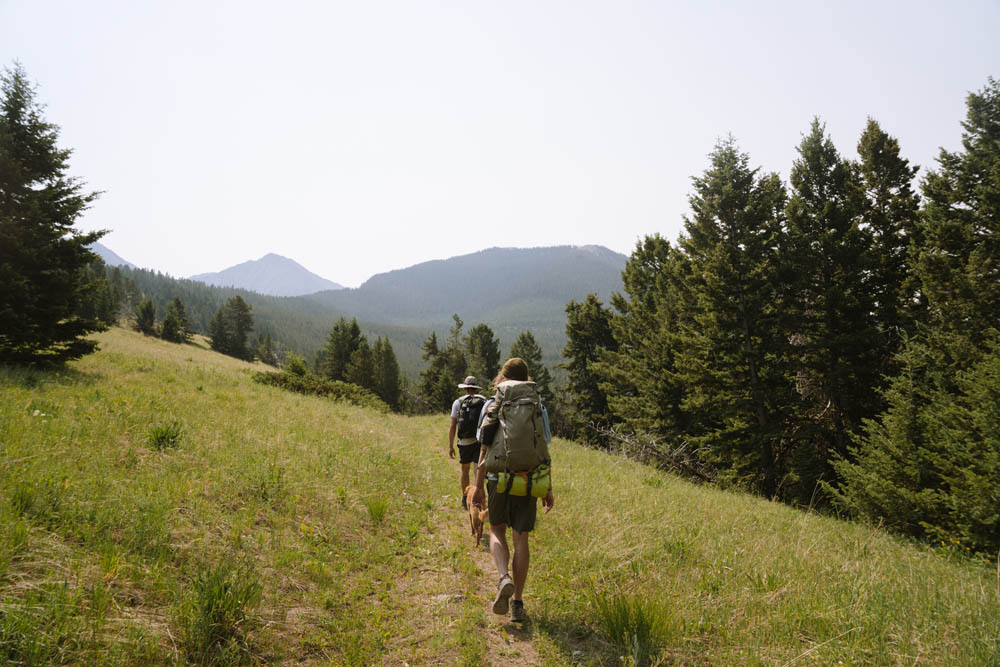
The United States is home to some of the most spectacular landscapes in the world, from towering mountains and glacier-carved valleys to desert canyons and lush forests. For backpackers, U.S. national and state parks offer unforgettable multi-day journeys filled with scenic views, wildlife encounters, and peaceful solitude.
Whether you’re an experienced trekker or a traveler looking for your next big outdoor challenge, this guide highlights 10 of the best backpacking trips in U.S. parks. Each destination offers unique terrain, diverse ecosystems, and a chance to explore America’s natural beauty up close.
John Muir Trail – Yosemite, Kings Canyon & Sequoia National Parks
Location: California
Distance: ~211 miles
Why It’s Special:
The iconic John Muir Trail is one of the most famous and scenic long-distance hikes in the U.S. Stretching from Yosemite Valley to Mount Whitney, it winds through some of California’s most breathtaking wilderness.
Highlights:
- Granite cliffs of Yosemite
- High-alpine lakes
- Towering sequoias
- Panoramic High Sierra views
This trail is ideal for experienced backpackers seeking a multi-week challenge.
Wonderland Trail – Mount Rainier National Park
Location: Washington
Distance: ~93 miles
Why It’s Special:
The Wonderland Trail circles the base of Mount Rainier, offering a full 360-degree view of the iconic volcanic peak.
Top Features:
- Dense forests
- Wildflower meadows
- Suspension bridges
- Stunning waterfalls
Permits are required, and weather conditions can vary dramatically.
Grand Canyon Rim-to-Rim – Grand Canyon National Park
Location: Arizona
Distance: ~24 miles (one-way)
Why It’s Special:
Few experiences compare to walking from one side of the Grand Canyon to the other. This route reveals the canyon’s layered geology, diverse climates, and unforgettable views.
Highlights:
- North Rim forests
- Dramatic switchbacks
- Colorado River crossing
- Iconic canyon vistas
Many backpackers complete it as a multi-day trip, often camping at the bottom.
Teton Crest Trail – Grand Teton National Park
Location: Wyoming
Distance: ~40 miles
Why It’s Special:
The Teton Crest Trail is known for its dramatic alpine scenery, towering peaks, and pristine meadows.
Trail Features:
- Wildflowers in summer
- Breathtaking mountain passes
- Panoramic ridge views
- High-elevation campsites
It’s one of the most photographed backpacking routes in the country.
Rae Lakes Loop – Kings Canyon National Park
Location: California
Distance: ~41 miles
Why It’s Special:
The Rae Lakes Loop blends alpine lakes, rugged mountains, and the legendary Pacific Crest Trail.
Reasons to Love It:
- Clear turquoise lakes
- Scenic passes like Glen Pass
- Abundant wildlife
- Challenging but accessible terrain
It’s a favorite among backpackers who want classic High Sierra beauty in a manageable timeframe.
Glacier National Park’s Highline Trail + Grinnell Glacier Area
Location: Montana
Distance: Varies (commonly 15–35 miles over several days)
Why It’s Special:
Glacier National Park offers some of the most dramatic landscapes in the Rocky Mountains, and its interconnected trail system allows for flexible backpacking trips.
What You’ll See:
- Ridgelines with sweeping views
- Glacial lakes
- Mountain goats and wildlife
- Alpine valleys
Backpacking routes vary depending on permits and seasonal conditions.
Zion Traverse – Zion National Park
Location: Utah
Distance: ~48 miles
Why It’s Special:
The Zion Traverse crosses the entire length of Zion National Park, connecting iconic red-rock canyons, mesas, and desert landscapes.
Trail Highlights:
- Slot canyons
- High desert vistas
- Dramatic sandstone cliffs
- Vast open plateaus
Spring and fall are popular seasons due to milder temperatures.
Appalachian Trail Section – Great Smoky Mountains National Park
Location: Tennessee & North Carolina
Distance: Varies (commonly 20–40 miles for multi-day trips)
Why It’s Special:
The Great Smoky Mountains contain some of the most scenic portions of the Appalachian Trail (AT).
Backpacking Highlights:
- Misty mountain ridges
- Dense old-growth forests
- Diverse wildlife
- Historic shelters along the AT
Popular sections include Newfound Gap, Clingmans Dome, and Fontana Dam.
The Lost Coast Trail – King Range National Conservation Area
Location: Northern California
Distance: ~25 miles
Why It’s Special:
Though not a national park, the Lost Coast is a protected wilderness area and one of the most unique backpacking destinations in the U.S. It is included here because it offers a rare coastal backcountry trek.
Unique Features:
- Remote black-sand beaches
- Pacific Ocean views
- Tidal hiking zones
- Rugged cliffs
Backpackers should carefully plan around tides and weather conditions.
Bryce Canyon Backcountry Loop – Bryce Canyon National Park
Location: Utah
Distance: ~22–30 miles
Why It’s Special:
Bryce Canyon’s hoodoo formations and orange rock spires create a landscape unlike anywhere else.
Highlights:
- Amphitheater viewpoints
- Quiet backcountry trails
- Stunning sunrise and sunset colors
- Unique geological formations
Late spring and fall are popular for cooler temperatures and clear views.
Tips for Choosing the Right Backpacking Trip
With so many incredible U.S. parks to explore, choosing the right trip depends on your experience level, time available, and personal interests.
Consider the following:
- Difficulty: Some trails require advanced skills and fitness levels. Others offer easier terrain suitable for intermediate hikers.
- Weather Conditions: Seasonal weather greatly impacts trail accessibility, especially in the Rockies, Sierra Nevada, and desert regions.
- Permits: Many popular trails require permits for overnight camping. These systems help protect the environment and ensure visitor safety.
- Duration: Trips range from 2-day loops to multi-week adventures.
- Water Sources: Depending on the trail, water availability can vary significantly—especially in desert parks.
Why Backpacking in U.S. Parks Is So Rewarding
Backpacking in national and state parks offers more than just exercise. It provides a deeper connection to nature, an escape from daily routines, and meaningful moments of solitude.
Reasons hikers love backpacking in U.S. parks:
- Incredible biodiversity—from deserts to glaciers
- Miles of well-maintained trails
- Protected lands with rich ecosystems
- Opportunities to disconnect and recharge
- Access to remote, untouched wilderness
These experiences make backpacking one of the most memorable ways to explore the U.S.
Backpacking Safety: General Awareness for All Travelers
Before heading into the wilderness, hikers should stay mindful of basic safety considerations.
General awareness includes:
- Checking weather forecasts
- Carrying proper gear
- Being prepared for elevation changes
- Staying on marked trails
- Informing someone of your itinerary
- Understanding local wildlife guidelines
For detailed safety planning, consult park rangers or qualified outdoor professionals.
Bottom Line
The United States offers some of the world’s most extraordinary backpacking experiences, with landscapes ranging from alpine peaks and deep canyons to lush forests and rugged coastlines. Whether you choose the John Muir Trail, the Grand Canyon Rim-to-Rim route, or a quiet wilderness loop, every trail promises adventure, discovery, and unforgettable scenery.
These 10 best backpacking trips in U.S. parks provide a starting point for planning your next outdoor journey. With the right preparation and respect for nature, backpacking can be one of the most rewarding ways to experience America’s parks in 2025 and beyond.
Disclaimer: This article is for informational and educational purposes only. Always consult official park resources and professionals for detailed planning and safety guidance.